
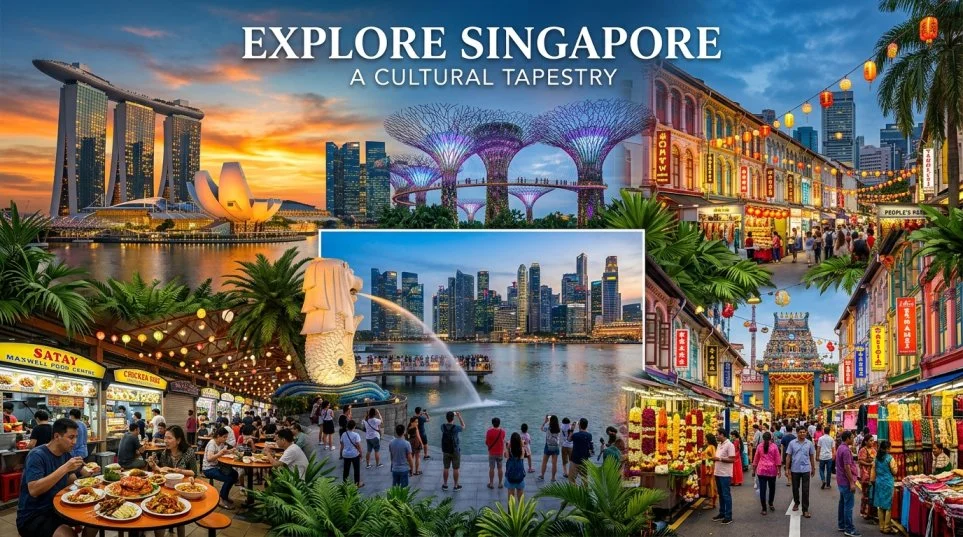
I still remember the moment Singapore hit me — not at the famous light show, not at the Merlion, but at 11 p.m. on a Tuesday, eating char kway teow under a buzzing fluorescent tube at a hawker centre while a grandfather three tables over argued loudly with his grandkids about football. The city was alive in a way I had not expected. I had assumed sterile. I found layered.
Singapore is one of those destinations that gets dismissed as a stopover — a quick leg-stretch between London and Bali, or a duty-free dash before a connecting flight to Tokyo. That is a colossal mistake. The city-state packs more genuine experiences, more architectural ambition, more culinary obsession, and more cultural texture into 733 square kilometres than most countries manage across entire continents.
This guide gives you 25 of the best things to do in Singapore — organised by experience type, honest about crowds and costs, and written for people who want to actually feel a place rather than just photograph it. Whether you have three days or ten, this is your starting point.
Quick Facts: Singapore at a Glance

- Best time to visit: February–April (drier, slightly cooler)
- Currency: Singapore Dollar (SGD). Budget around SGD 120–250/day mid-range.
- Language: English is widely spoken everywhere — navigation is easy.
- Getting around: MRT (subway) is excellent, clean, and cheap. Use the EZ-Link card.
- Safety: Consistently one of the safest cities in the world.
- Tipping culture: Not customary — and sometimes politely refused.
Iconic Singapore Tourist Attractions You Simply Cannot Skip

There is a difference between tourist traps and genuinely iconic experiences. The following fall firmly in the second category — yes, they are famous, and yes, they still earn every bit of that reputation.
1. Gardens by the Bay — Where Sci-Fi Meets Botany
Nothing quite prepares you for your first look at the Supertree Grove. These 16-storey vertical gardens — steel frames wrapped in over 160,000 plants — look like a concept render that somehow got built in real life. Visit at dusk, stay for the Garden Rhapsody light and sound show (free, 7:45 p.m. and 8:45 p.m.), and consider paying the SGD 14 entry fee to the OCBC Skyway that connects two of the trees at height. The Cloud Forest dome, with its 35-metre indoor waterfall, is worth every cent of the combined dome ticket.
Insider tip: The outdoor gardens are free. If budget is tight, skip the domes on your first visit and just walk the grounds at night.
2. Marina Bay Sands — The Skyline Definer
You have seen the photos — three hotel towers connected by a gravity-defying rooftop terrace holding an infinity pool. The observation deck (SkyPark Observation Deck, SGD 32) gives you one of the best city views on earth. If the fee stings, the bars at ground level along Marina Bay offer comparable views with a cocktail in hand, which is arguably the better deal anyway.
For the free version: Walk the waterfront promenade at the Merlion Park just opposite. The skyline across the bay — MBS, the Supertrees, the glittering financial district — is genuinely spectacular and costs nothing.
3. Sentosa Island — Singapore’s Playground
Sentosa is where Singapore goes to switch off. Universal Studios Singapore is the headliner — the Battlestar Galactica duelling roller coasters alone justify the trip. But Sentosa has layers: Palawan Beach for a genuinely relaxed afternoon, Fort Siloso for a sobering look at WWII history, and the cable car across from Mount Faber for aerial views. The SEA Aquarium is one of the largest in the world and quietly extraordinary.
4. Merlion Park — Tick the Box, Then Linger
Yes, it is the most photographed spot in Singapore. Yes, every tourist does the “water coming from the mouth” photo. Do it anyway — it takes thirty seconds — and then stay. The promenade around Marina Bay is genuinely beautiful, especially at golden hour when the glass towers catch the light and the whole bay glows like an ember.
Cultural Neighbourhoods — The Real Singapore Travel Guide Starts Here

Singapore’s colonial history produced an extraordinary patchwork of cultures that never fully merged — they coexist, influence each other, and remain distinct. These neighbourhoods are where that story breathes.
5. Chinatown — Incense, Heritage, and Exceptional Hawker Food
The Sri Mariamman Temple and the Buddha Tooth Relic Temple sit within two minutes of each other in Chinatown — a Hindu temple and a Buddhist one, side by side, both active, both welcoming to respectful visitors. That quiet fact tells you everything about Singapore’s version of multiculturalism. The Chinatown Food Street nearby is decent but touristy; the Chinatown Complex hawker centre (Smith Street) is where actual Singaporeans eat. Go there instead.
6. Little India — The Neighbourhood That Smells Like Marigolds
Little India hits you before you see it. The scent of jasmine garlands and fresh turmeric drifts out of shophouses on Serangoon Road, mixing with the char of tandoor ovens and something sweet from the mithai shops. The Sri Veeramakaliamman Temple is the centrepiece — vivid, towering, perpetually garlanded. Arrive on a Sunday evening when the neighbourhood is most alive. Eat at Komala Vilas on Serangoon for a vegetarian South Indian meal served on a banana leaf. Budget SGD 6 and leave full.
7. Kampong Glam & Arab Street — Mosques, Murals, and Muhallabia
The golden onion dome of Sultan Mosque anchors Kampong Glam, Singapore’s Malay-Muslim quarter. The surrounding streets are now lined with independent boutiques, Middle Eastern restaurants, and some of the city’s most interesting street art — Haji Lane in particular deserves an unhurried wander. Try muhallabia (a milk pudding flavoured with rose water) from one of the stalls near Bussorah Street before you leave.
8. Tiong Bahru — Singapore’s Coolest Neighbourhood No One Tells You About
Built in the 1930s as Singapore’s first public housing estate, Tiong Bahru is now a pocket of Art Deco shophouses, independent bookshops, excellent bakeries, and neighbourhood restaurants that cater mostly to locals who know what good food actually tastes like. It feels nothing like the rest of Singapore — quieter, slower, somehow more honest. BooksActually, the legendary independent bookshop, is worth the trip alone.
Nature and Outdoor Activities — Singapore Sightseeing Beyond the Buildings

Singapore calls itself the City in a Garden — and while that sounds like a Tourism Board tagline, it is surprisingly accurate. The city has protected large chunks of its primary rainforest and built its modern parks with genuine ambition.
9. Singapore Botanic Gardens — A UNESCO World Heritage Site, Free Entry
Seventy hectares of tropical gardens, a National Orchid Garden with over 1,000 species (small entry fee of SGD 5), and weekend concerts at the Shaw Foundation Symphony Stage — all free except the Orchid Garden. The Botanic Gardens is one of only three gardens in the world with UNESCO World Heritage status, and it earns it. Come early morning before the heat builds. The misty air through the Heritage Trees section of the rainforest is something close to magic.
10. MacRitchie Reservoir & Treetop Walk
This is Singapore’s best-kept secret for active travellers. A 250-metre-long free-standing suspension bridge — the TreeTop Walk — cuts through the forest canopy at height, connecting two of the reservoir’s ridgelines. The hike to reach it takes about 90 minutes each way and involves proper jungle — monitor lizards, long-tailed macaques, and the particular damp hush of a functioning tropical ecosystem. Free to enter; go on a weekday to avoid weekend crowds.
11. Pulau Ubin — Step Back 40 Years
Pulau Ubin is a small island off the northeast coast of Singapore that refuses to modernise. A SGD 4 bumboat from Changi Point ferry terminal deposits you in the last remaining kampong (village) in Singapore — wooden houses on stilts, free-roaming chickens, and bicycle rental shops charging SGD 5 for the day. Chek Jawa Wetlands, on the eastern tip of the island, is one of the richest coastal ecosystems in Southeast Asia. This is as far from the Orchard Road shopping belt as you can get while still being in Singapore.
12. Southern Ridges — Nine Kilometres of Connected Park Trails
The Henderson Waves bridge — a wave-shaped wooden walkway 36 metres above Henderson Road — is the centrepiece of Singapore’s 9-kilometre Southern Ridges walking route. The trail connects HortPark, Kent Ridge Park, Telok Blangah Hill Park, and Mount Faber Park with views south over Sentosa and north over the city. Free, beautiful, and surprisingly uncrowded compared to the central tourist belt.
Eating Your Way Through Singapore — Hawker Centres and Beyond

If I had to summarise Singapore in one word, it would be ‘hungry.’ This city thinks about food with a seriousness that borders on religious. There are over 100 hawker centres across Singapore — open-air food courts where individual stall owners have often spent decades perfecting a single dish. This is not cheap eats — it is Michelin-recognised cuisine served on plastic trays.
13. Lau Pa Sat — Victorian Architecture Meets Satay at Midnight
Lau Pa Sat (Telok Ayer Market) is a cast-iron Victorian market pavilion built in 1894, now operating as a hawker centre in the heart of the financial district. At night, the surrounding streets close and fill with satay stalls whose smoke drifts between the office towers. Order 20 sticks, get a cold Tiger beer, and eat in the shadow of skyscrapers. It should feel absurd. It feels perfect.
14. Maxwell Food Centre — Home of the World-Famous Chicken Rice
Tian Tian Hainanese Chicken Rice at Maxwell Food Centre in Chinatown has been the subject of Gordon Ramsay cooking competitions, Anthony Bourdain pilgrimages, and at least one Michelin Bib Gourmand listing. The dish — poached chicken over fragrant rice cooked in chicken stock, served with ginger paste, dark soy, and chilli — sounds simple and is somehow revelatory. Queue at Tian Tian, or try the equally excellent Ah Tai stall next door and skip the line.
15. Hawker Chan — The World’s Cheapest Michelin Star Meal
Chan Hon Meng spent decades perfecting his soya sauce chicken and pork noodles at his hawker stall before Michelin handed him a star in 2016 — making him the world’s first Michelin-starred hawker and his SGD 2 bowl the cheapest Michelin meal on earth. The Chinatown Complex stall still exists. The queue is long. It is worth it both for the food and for what the story says about Singapore’s relationship with its own culinary heritage.
Family Activities in Singapore — For Every Age Group

Singapore is one of the most family-friendly cities in Asia. The infrastructure is immaculate, the transport is excellent, and there is genuine variety across age groups.
16. Night Safari — The World’s First Nocturnal Zoo
Singapore Zoo’s Night Safari is the world’s first nocturnal wildlife park, and it remains one of the genuinely original animal experiences anywhere. Dim trail lighting and recreated habitats let you walk among Malayan tigers, Himalayan griffon vultures, and fishing cats in near-darkness. The Creatures of the Night show, while aimed at children, is worth attending at any age. Buy tickets in advance — it sells out regularly, especially on weekends.
17. S.E.A. Aquarium — 49 Metres of Underwater Viewing
The South East Asia Aquarium on Sentosa is home to over 100,000 marine animals across 800 species, with a 36-metre-wide, 8-metre-tall viewing panel into the Open Ocean habitat that ranks among the largest in the world. Manta rays the size of dining tables drift past while children press their faces to the glass. Quiet on weekday mornings; chaotic on weekend afternoons.
18. ArtScience Museum — Where Technology Becomes Art
Shaped like a lotus or an open hand — depending on who you ask — the ArtScience Museum at Marina Bay Sands houses rotating exhibitions at the intersection of art, science, and technology. teamLab’s digital art installations have been a recurring feature here, and the permanent Future World exhibition is the kind of thing that makes adults forget they are in a museum. Excellent for mixed-age groups.
Singapore Nightlife — From Rooftop Bars to Clarke Quay

Singapore’s reputation for nightlife has improved enormously. The city has moved well beyond its Clarke Quay tourist-bar phase (though that still exists and has its charms) into something more interesting.
19. Rooftop Bars — Singapore’s Skyline After Dark
1-Altitude at One Raffles Place (282 metres, open-air) remains the highest al fresco bar in the world. LeVeL33 on Marina Boulevard brews its own craft beer 33 floors up, with the bay spread before you. Smoke & Mirrors at the National Gallery rooftop sits lower but positions itself directly opposite Marina Bay Sands for a view you will not find anywhere else. Budget SGD 22–30 per cocktail and consider it the price of admission.
20. Clarke Quay — The Tourist Hub Worth Visiting Anyway
Clarke Quay lines both banks of the Singapore River with bars, clubs, and restaurants under a series of distinctive glass canopies designed to funnel river breezes. Yes, it is touristy. Yes, the drinks are overpriced. And yes, on a Thursday night when the whole precinct is buzzing — boats on the water, music from a dozen open-fronted bars overlapping into pleasant noise, neon reflections in the river — it is still a good night out. Take it for what it is.
21. Zouk — Southeast Asia’s Legendary Club
Zouk has been on international best-club lists for over three decades — a Southeast Asian institution that has hosted virtually every major electronic music act on the planet. Now located in Clarke Quay, it operates across multiple rooms with different music genres running simultaneously. If you are visiting Singapore specifically for its nightlife, Zouk on a Friday or Saturday should be on the itinerary.
Free Things to Do in Singapore — Genuinely Great, Zero Cost

Singapore has a reputation as an expensive city. It is, for accommodation and drinks. But an enormous number of the city’s best experiences cost nothing.
- 22. National Gallery Singapore —Two colonial buildings converted into Southeast Asia’s largest visual art museum. Free permanent galleries. Walk between the Supreme Court and City Hall wings through the covered courtyard without paying anything.
- 23. Fort Canning Park — A hilltop park with nine gardens, Singaporean history going back to 1300, and one of the city’s best amphitheatres. A five-minute climb from Clarke Quay MRT.
- 24. Orchard Road — Yes, it is a shopping street. It is also a spectacularly designed kilometre of flagship stores, street performers, and the Istana grounds (the Presidential Palace), open on public holidays.
- 25. Marina Barrage — A dam and park on the southern tip of the island with unobstructed views of both the city skyline and the harbour. Locals fly kites here on weekend afternoons. A genuinely Singapore thing to witness.
Singapore Itinerary: How to Structure Your Trip
If You Have 3 Days
- Day 1: Marina Bay area — Merlion Park, Gardens by the Bay (free grounds + Supertrees at night), Marina Bay Sands promenade. Dinner at Lau Pa Sat.
- Day 2: Chinatown, Little India, Kampong Glam. Eat at Maxwell Food Centre for lunch, explore hawker centres in the evening. Night Safari after dinner.
- Day 3: Sentosa for Universal Studios or beaches. Southern Ridges walk in the morning if you prefer nature over theme parks.
If You Have 5–7 Days
Add Pulau Ubin (full day), MacRitchie Reservoir and TreeTop Walk (half day), a proper evening in Tiong Bahru, the Singapore Botanic Gardens, and at least one rooftop bar evening. Use the extra days to eat — there is no such thing as running out of new hawker dishes to try in this city.
Singapore Travel Tips: What No One Tells You Before You Go

- The heat is real: Singapore sits 1.3 degrees north of the equator. Humidity averages 84%. Carry a small towel, drink water constantly, and plan indoor air-conditioned stops between outdoor activities.
- MRT over taxis: The Mass Rapid Transit subway system is fast, cheap (SGD 1–2 per journey), and goes almost everywhere. Grab an EZ-Link card at any station for SGD 10 (includes SGD 5 credit).
- Eating schedule: Singaporeans eat at 12 p.m. and 6 p.m. Arrive at hawker centres 15–20 minutes before these times for the best seats and shortest queues.
- Public laws: The famous chewing gum ban is real (though you can bring it for personal use). More practically — do not jaywalk on main roads, do not eat or drink on the MRT, and do not litter. Fines are genuine.
- Dress codes: Most temples require covered shoulders and knees. Carry a light scarf in your bag. It weighs nothing and saves you the folded-fabric sarong rental at temple entrances.
- Weather timing: Rain comes fast and leaves fast. Almost every day between May and September involves a 30-minute afternoon downpour. Plan outdoor activities for mornings; use the afternoon rain for a hawker centre lunch.
- Changi Airport: If your connection allows, Changi Airport itself is worth exploring — the Jewel shopping mall inside has a 40-metre indoor waterfall (the Rain Vortex, largest indoor waterfall in the world) and extensive gardens. Free to enter from the airport terminal.
FAQ: Common Questions About Singapore Tourism
Q. How many days do you need in Singapore?
Three days covers the major landmarks. Five days lets you explore the neighbourhoods properly and includes a day trip to Pulau Ubin. Seven days is genuinely comfortable with time for the nature reserves, a full Sentosa day, and the kind of aimless exploration that produces the best travel memories.
Q. Is Singapore expensive for tourists?
Hotels and alcohol are expensive. Food at hawker centres is astonishingly cheap — full meals for SGD 4–8. Public transport is cheap. Many of the best experiences (Botanic Gardens, cultural neighbourhoods, night walks, free museums) cost nothing. A budget of SGD 100–130 per day covers accommodation in a hostel or budget hotel, three hawker meals, a couple of paid attractions, and transport. Mid-range comfort runs SGD 200–300.
Q. What is the best area to stay in Singapore?
For first-time visitors: Marina Bay or the CBD puts you within walking distance of the main sights. Kampong Glam and Chinatown offer more character and cheaper accommodation. Tiong Bahru is the choice for travellers who want neighbourhood life over tourist convenience.
Q. Is Singapore good for solo travellers?
Exceptionally so. It is one of the safest cities in the world, English is spoken everywhere, the public transport is excellent, and eating alone at a hawker centre is completely normal — locals do it every day. The only real challenge for solo travellers is that Singapore hotel rooms rarely achieve the value-for-money of a hostel, so budget carefully.
Q. What should I eat first in Singapore?
Hainanese Chicken Rice from Maxwell Food Centre. It is the definitive Singaporean dish, costs less than a coffee back home, and will immediately recalibrate every expectation you had about what ‘simple food’ can taste like.
Why Singapore Deserves More Than a Layover
Singapore does not slot neatly into the usual Southeast Asia travel narrative. It is not a beach destination. It is not ancient. It is not cheap in the way that Bangkok or Hanoi are cheap. What it is, is genuinely itself — a city that has taken an improbable situation (a tiny island with no natural resources, surrounded by larger and sometimes antagonistic neighbours) and turned it into one of the most liveable, most surprising, most culinarily obsessed places on earth.
The 25 things on this list are starting points, not a complete picture. The complete picture of Singapore includes the conversation you have with the aunty who has been running her char kway teow stall for 34 years, the rain that comes from nowhere and soaks you completely on your walk from the MRT, and the moment sometime around day three when the city stops feeling foreign and starts feeling familiar.
Book the flight. Singapore rewards the time you give it.

